 Scholar Nurse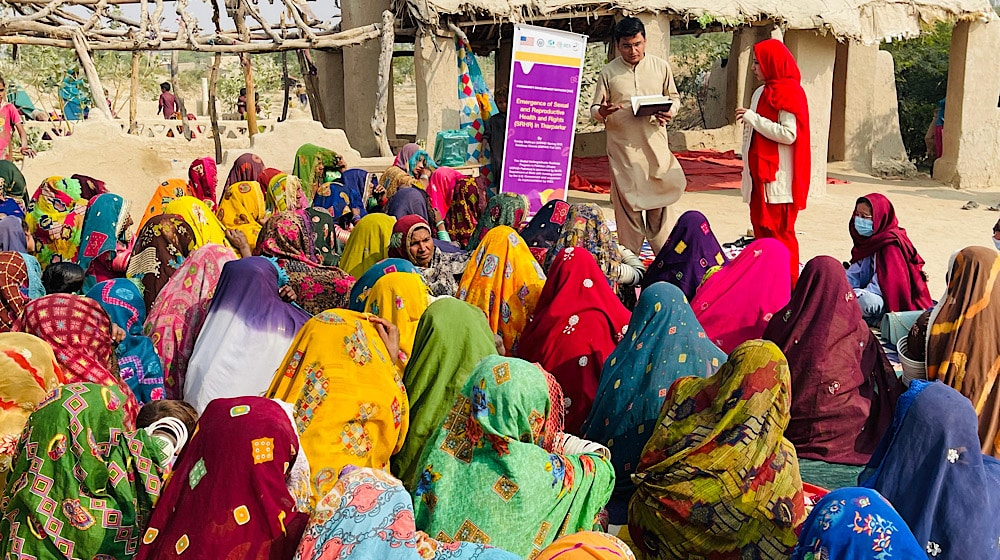
“Explore the cultural barriers to sexual health in Pakistan and why married women hesitate to discuss reproductive issues. Learn how nurses can break stigma and empower women.”
Sexual health is a core element of a woman’s overall well-being. Today in Pakistan, married women encounter significant cultural barriers when discussing sexual health concerns. Undefined taboos surrounding sexuality, the concept of ‘Haya’ and religious misinterpretations create an environment where such topics are considered inappropriate and shameful.
As a result of these barriers, more women remain silent about cultural barriers to sexual health issues such as pain during intercourse, menstrual problems, and infections. This blog will examine the cultural challenges that hinder meaningful communication about sexual health, assess their impact on married women, and highlight the importance of breaking this silence to achieve public health goals, particularly sustainable development goal 3 (SDG 3): The theme of the SDG is Good Health and Well-being.
Married women do not have sufficient knowledge regarding sexual and reproductive health due to cultural barriers to sexual health dilemmas, undefined religious factors, and poor educational backgrounds. Cultural barriers to sexual health in Pakistan significantly influence the sexual health of married women, as gender dynamics in some countries prevent these women from making their own decisions regarding contraception, the interval between childbirth, and the number of children.
This assertiveness intensely impacts women’s sexual and reproductive health and also influences their positive attitude towards healthcare-seeking curiosity. Fear of breaching confidentiality and stigmatization from healthcare workers are also barriers to breaking the silence and to discussing their potential cultural barriers to sexual health concerns (Alomair et al., 2020).
The sexual health deprivation is a serious concern around the globe, which directly affects maternal and child health. As the study shows, Kenyan and Somalian women are suffering from the genital mutilation’s complications, and they are limited in seeking healthcare due to socio-cultural and structural taboos. Cultural norms bind these females, leading to unaddressed behavior and complications (Kimani et al., 2020). Modesty and shyness are two of the key cultural barriers to sexual health in Pakistan and barriers to female sexual health education.
They are obligated to follow the rules without any rationale and are required to disclose sexual health concerns only to the women they are closest to. Affected women may lack sufficient knowledge to communicate to other women about sexual health. Mustafa et al. (2021). These countries are more likely to focus on achieving SDG 3, which promotes good health and well-being.
Furthermore, sexual health is considered a sensitive topic, and those who are pretentious often seek traditional and spiritual healers to address their concerns. There is a huge gap of study to get rid of these taboos, which is one of the most important barriers to be dispersed (Omer et al., 2021). The study focuses on the district of Thatta, Sindh, where gender-based discrimination is evident: men dominate women in all aspects of life; women rely on men for support and often do not seek healthcare because they lack permission from men, who predominantly favor religious healers over medical professionals (Asim et al., 2021).
In terms of hygienic conditions, a study explored the menstrual health and perineal care during the monthly cycle of women, whereas cultural barriers to sexual health stigma defined the menstrual cycle as “secrecy” and discouraged females from disclosing this impurity. Women are restricted from seeking help from healthcare providers during menstrual cycles and problems related to the periods.
There is a significant gap in communication between healthcare providers and women regarding the menstrual cycle and unhygienic practices associated with it, primarily due to a lack of cultural barriers to sexual health education and cultural taboos. Most women wear cut-up clothes as underwear during their periods, even though they also wear pads (Arshad Ali et al., 2020).
These cultural barriers directly hinder the progress of Sustainable Development Goal 3, which emphasizes universal access to sexual and reproductive healthcare. Breaking the silence around sexual health is not just a matter of communication; it’s a matter of the health, dignity, and rights of women. Barriers that prevent married women in Pakistan from discussing cultural barriers to sexual health contribute to monthly cycle misinformation and preventable health risks.
To overcome these cultural barriers to sexual health, healthcare providers and communities need to work with collaboration and create culturally sensitive spaces where women can freely access accurate information and care without any hesitation and shame. Aligning these efforts with SDG, ensures that sexual and reproductive health becomes a vital part of promoting well-being for all.6
References
Alomair, N., Alageel, S., Davies, N., & Bailey, J. V. (2020). Factors influencing sexual and reproductive health of Muslim women: a systematic review. Reproductive Health, 17(1), 33. https://doi.org/10.1186/s12978-020-0888-1
Arshad Ali, S., Baloch, M., Riaz, L., Iqbal, A., Riaz, R., Perveen, B., Siddiqui, M., & Arshad Ali, A. (2020). Perceptions, Practices, and Challenges Regarding Menstrual Hygiene Among Women in Karachi, Pakistan: A Comparison Between General Population and Healthcare Workers. Cureus, 12(8), e9894. https://doi.org/10.7759/cureus.9894
Asim, M., Saleem, S., Ahmed, Z. H., Naeem, I., Abrejo, F., Fatmi, Z., & Siddiqi, S. (2021). We Won’t Go There: Barriers to Accessing Maternal and Newborn Care in District Thatta, Pakistan. Healthcare (Basel), 9(10). https://doi.org/10.3390/healthcare9101314
Kimani, S., Kabiru, C. W., Muteshi, J., & Guyo, J. (2020). Exploring barriers to seeking health care among Kenyan Somali women with female genital mutilation: a qualitative study. BMC Int Health Hum Rights, 20(1), 3. https://doi.org/10.1186/s12914-020-0222-6
Mustafa, M., Zaman, K. T., Ahmad, T., Batool, A., Ghazali, M., & Ahmed, N. (2021). Religion and Women’s Intimate Health: Towards an Inclusive Approach to Healthcare Proceedings of the 2021 CHI Conference on Human Factors in Computing Systems, Yokohama, Japan. https://doi.org/10.1145/3411764.3445605
Omer, S., Zakar, R., Zakar, M. Z., & Fischer, F. (2021). The influence of social and cultural practices on maternal mortality: a qualitative study from South Punjab, Pakistan. Reprod Health, 18(1), 97. https://doi.org/10.1186/s12978-021-01151-6
About the Auhtor
Nisar Ahmad
Former clinical instructor at Bilal Institute of Nursing and Health Sciences Lower Dir KP. Pakistan
Currently enrolled in MScN, accomplished Post RN BSN, Diploma in Cardiac Nursing, Diploma in General Nursing
Research interest: Public Health, Assessment of Cultural Barriers in Discussing Sexual Health with Married Woman in Pakistan.
Professional experience: Up to 5 years of experience in cardiac and medical-surgical unit in clinical as well as clinical instructor