
 Scholar Nurse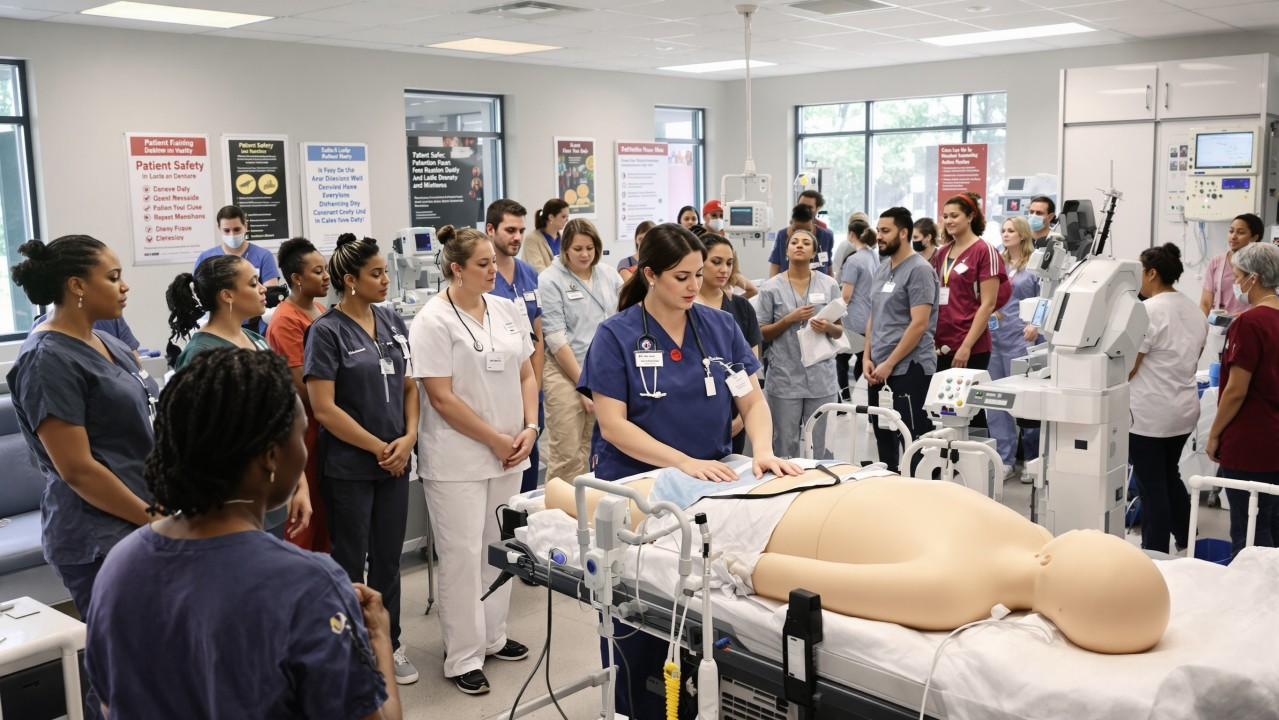
Nursing in Pakistan: Education, Practice, Challenges, and the Future of the Profession
Nursing is one of the most essential components of the healthcare system in Pakistan. Nurses play a pivotal role in promoting health, preventing disease, providing patient-centered care, and supporting families across all levels of healthcare. Despite being the backbone of healthcare delivery, nursing in Pakistan has historically faced challenges related to recognition, workforce shortages, limited resources, and professional development. However, in recent years, the nursing profession in Pakistan has shown significant progress through improved education standards, policy reforms, and growing awareness of the importance of professional nursing practice.
This article provides a detailed overview of nursing in Pakistan, including nursing education, nursing practice, professional roles, workforce challenges, and future opportunities.
Overview of the Nursing Profession in Pakistan
The nursing profession in Pakistan is dedicated to delivering holistic care that addresses physical, psychological, social, and emotional needs of patients. Nurses work in diverse healthcare settings including tertiary care hospitals, district hospitals, basic health units (BHUs), rural health centers (RHCs), private clinics, and community health programs.
Pakistani nurses are involved in:
- Direct patient care
- Maternal and child health services
- Infection prevention and control
- Health education and promotion
- Emergency and critical care
- Teaching and research
Despite limited resources, nurses in Pakistan demonstrate strong commitment, resilience, and compassion, making them indispensable to the healthcare system.
Nursing Education in Pakistan
Types of Nursing Programs
Nursing education in Pakistan is regulated by provincial nursing councils under the guidance of the Pakistan Nursing Council (PNC). The major nursing education programs include:
- Diploma in General Nursing (GN)
Traditionally the most common entry-level qualification, although now gradually being phased out in favor of degree programs. - Bachelor of Science in Nursing (BSN)
- Generic BSN (4 years)
- Post-RN BSN (2 years)
The BSN program focuses on clinical competence, leadership, research, and evidence-based practice.
- Specialty Nursing Programs
- Midwifery
- Critical care nursing
- Pediatric nursing
- Psychiatric nursing
- Postgraduate Nursing Education
- MSN (Master of Science in Nursing)
- PhD in Nursing (limited but growing)
Importance of Nursing Education
Modern nursing education in Pakistan emphasizes:
- Critical thinking
- Clinical decision-making
- Ethical practice
- Research literacy
- Evidence-based nursing
The shift from diploma-based education to degree-based programs has significantly improved the professional image and competence of nurses.
Nursing Practice in Pakistan
Clinical Roles and Responsibilities
Nursing practice in Pakistan involves comprehensive patient care activities, including:
- Patient assessment and monitoring
- Medication administration
- Wound care and infection control
- Patient and family education
- Documentation and reporting
- Collaboration with doctors and allied health professionals
Nurses are often the first point of contact for patients, especially in public hospitals, where they manage heavy patient loads.
Community and Public Health Nursing
Community health nurses play a crucial role in:
- Maternal and child health programs
- Immunization campaigns
- Family planning services
- Health education in rural and underserved areas
Lady Health Workers (LHWs) and community nurses contribute significantly to improving public health indicators in Pakistan.
Evidence-Based Nursing in Pakistan
Evidence-based nursing integrates clinical expertise with the best available research evidence and patient preferences. In Pakistan, the adoption of evidence-based practice is increasing, particularly in tertiary care and teaching hospitals.
Challenges in implementing evidence-based nursing include:
- Limited access to research databases
- Lack of research training
- Heavy workload and staffing shortages
However, nursing research is gaining momentum through BSN and MSN programs, encouraging nurses to engage in quality improvement projects and clinical research.
Professional Nursing and Ethics
Professional nursing in Pakistan is guided by ethical principles such as:
- Respect for patient dignity
- Confidentiality
- Accountability
- Cultural sensitivity
Nurses are expected to adhere to professional standards set by regulatory bodies. Ethical challenges often arise due to high patient volumes, limited resources, and hierarchical healthcare systems. Strengthening professional ethics education and leadership training is essential for improving nursing practice.
Nursing Workforce in Pakistan
Current Workforce Situation
Pakistan faces a significant shortage of nurses. The nurse-to-patient ratio remains below international standards, especially in rural and underserved areas. This shortage increases workload, stress, and burnout among nurses.
Many Pakistani nurses migrate abroad for better career opportunities, higher salaries, and improved working conditions. While migration provides individual benefits, it contributes to workforce shortages within the country.
Gender and Social Perception
Nursing in Pakistan is predominantly female, and societal perceptions sometimes discourage individuals from pursuing nursing as a career. Addressing gender bias and improving the social status of nurses is critical for workforce development.
Challenges Facing Nursing in Pakistan
Major challenges include:
- Workforce shortages
- Low salaries in some sectors
- Limited career progression opportunities
- Workplace stress and burnout
- Lack of recognition and autonomy
- Safety and security concerns in certain settings
Addressing these challenges requires coordinated efforts from policymakers, healthcare institutions, and educational bodies.
Opportunities and Future of Nursing in Pakistan
Despite challenges, the future of nursing in Pakistan is promising. Key opportunities include:
- Expansion of BSN and postgraduate programs
- Growth of nurse educator and leadership roles
- Increased involvement in research and policy-making
- Use of technology and digital health
- International collaborations and training
Investment in nursing education, leadership development, and safe working environments can transform nursing into a more empowered and respected profession.
Role of Government and Policy Support
Government initiatives play a crucial role in strengthening nursing. Policy reforms focused on:
- Standardizing nursing education
- Improving pay scales and working conditions
- Enhancing regulatory frameworks
- Supporting continuous professional development
Such initiatives can significantly improve healthcare outcomes across Pakistan.
Best Nursing Institutes in Pakistan
Quality nursing education is the foundation of a strong healthcare system. Pakistan has made significant progress in establishing reputable nursing institutions that offer diploma, undergraduate, and postgraduate nursing programs. These institutes follow standards set by the Pakistan Nursing Council (PNC) and contribute to developing competent, skilled, and professional nurses.
1. Aga Khan University School of Nursing and Midwifery (AKU-SONAM), Karachi

The Aga Khan University School of Nursing and Midwifery is widely recognized as the leading nursing institution in Pakistan. It offers:
- Bachelor of Science in Nursing (BSN)
- Post-RN BSN
- Master of Science in Nursing (MSN)
- Advanced diploma and continuing education programs
AKU emphasizes evidence-based nursing, leadership, research, and global standards, producing graduates who work both nationally and internationally.
2. College of Nursing, Pakistan Institute of Medical Sciences (PIMS), Islamabad
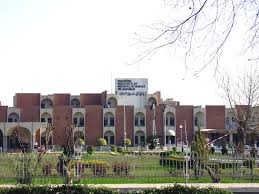
The PIMS College of Nursing is one of the most prominent public-sector nursing institutes in Pakistan. It offers:
- BSN programs
- Post-RN education
- Specialty nursing training
Affiliated with a major tertiary care hospital, PIMS provides strong clinical exposure and contributes significantly to the federal healthcare workforce.
3. College of Nursing, Dow University of Health Sciences (DUHS), Karachi
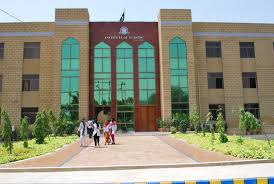
The College of Nursing at Dow University of Health Sciences plays an important role in nursing education in Sindh. It offers:
- Generic BSN
- Post-RN BSN
The institute focuses on clinical competence, research awareness, and professional nursing ethics, preparing nurses for both hospital and community health settings.
4. College of Nursing, King Edward Medical University (KEMU), Lahore
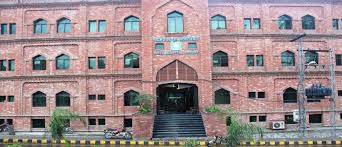
The College of Nursing, KEMU, is one of the oldest and most respected nursing institutions in Punjab. It provides:
- BSN programs
- Clinical training in major teaching hospitals
KEMU emphasizes professional nursing practice, patient safety, and ethical care, making it a key contributor to the nursing workforce in Punjab.
5. Armed Forces Postgraduate Medical Institute (AFPGMI) College of Nursing, Rawalpindi
This institute plays a vital role in training nurses for military and civilian healthcare services. It offers:
- BSN and Post-RN programs
- Specialty nursing training
Graduates are known for discipline, clinical skills, and leadership qualities.
6. Shaheed Mohtarma Benazir Bhutto Medical University (SMBBMU) College of Nursing, Larkana
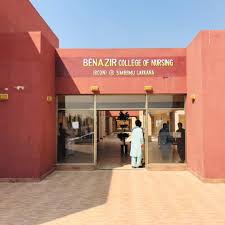
SMBBMU College of Nursing contributes to nursing education in interior Sindh. It focuses on:
- Undergraduate nursing education
- Community health and rural healthcare needs
This institute supports healthcare delivery in underserved areas of Pakistan.
7. Khyber Medical University (KMU) College of Nursing, Peshawar
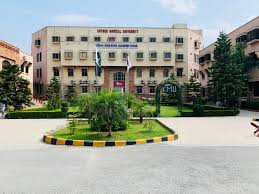
The KMU College of Nursing is a leading institution in Khyber Pakhtunkhwa. It offers:
- BSN programs
- Postgraduate nursing education
- PHD
KMU emphasizes research, evidence-based nursing practice, and public health, strengthening nursing education in the province.
Importance of Recognized Nursing Institutes
Recognized nursing institutes in Pakistan play a crucial role in:
- Standardizing nursing education
- Promoting evidence-based nursing practice
- Improving professional image of nursing
- Addressing workforce shortages
- Preparing nurses for global healthcare challenges
Graduation from PNC-recognized institutions ensures professional credibility, better career opportunities, and improved patient care outcomes.
Conclusion
The nursing profession in Pakistan is steadily progressing through improved education, professional recognition, and institutional development. Reputable nursing institutes such as Aga Khan University, PIMS, Dow University, and King Edward Medical University are shaping the future of nursing by producing skilled, ethical, and competent nurses. Strengthening these institutions and expanding access to quality nursing education is essential for improving healthcare delivery and building a resilient nursing workforce in Pakistan.