 Scholar Nurse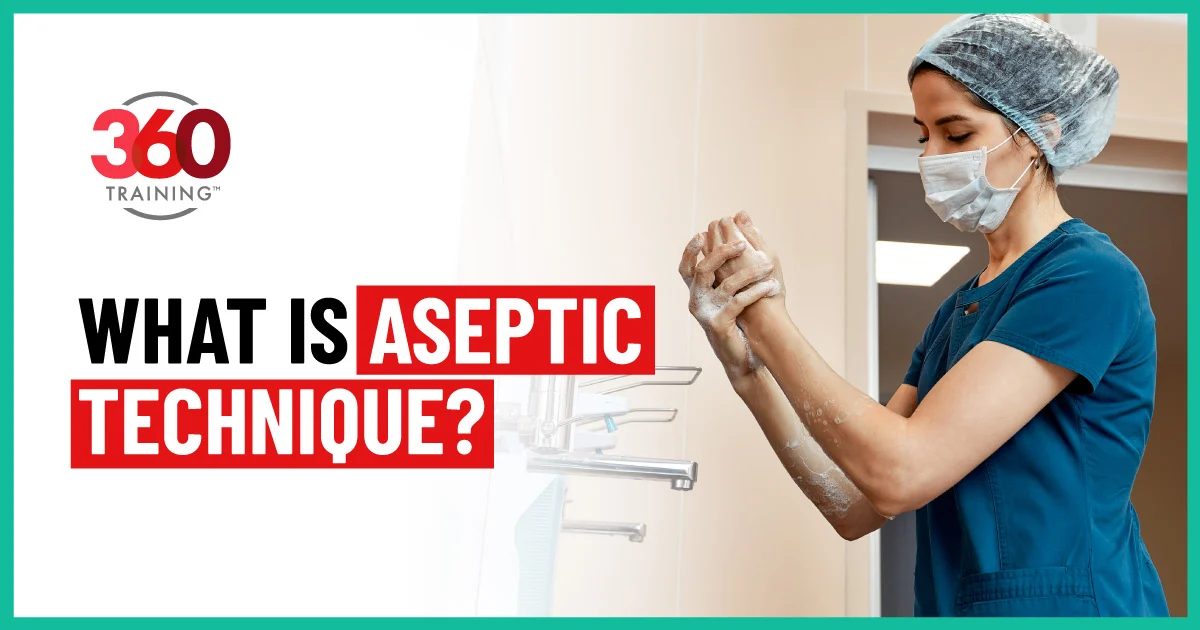
1.0 Introduction: What Is Aseptic Technique The Invisible Shield of Patient Safety
What is aseptic technique?
Aseptic technique is a set of evidence-based practices designed to prevent the transfer of microorganisms during clinical and surgical procedures. It is a foundational principle of infection prevention and control, particularly within hospital operating rooms and other invasive care settings. For nurses, aseptic technique serves as an invisible shield, one that protects patients from healthcare-associated infections (HAIs) while supporting safe, high-quality care.
When people imagine a hospital operating room, they often picture a flawless, sterile environment where every surface is clean and every risk is controlled. This perception provides reassurance to patients and families, yet it oversimplifies a complex and ongoing battle against invisible pathogens. In reality, maintaining asepsis is not automatic; it requires constant vigilance, precise technique, and strict adherence to evolving guidelines.
The science behind aseptic technique is dynamic. New research continuously challenges outdated assumptions, questions traditional rituals, and introduces more effective strategies. Nurses, who are at the forefront of patient care, must translate this evolving evidence into everyday practice—often under intense pressure.
This article explores five shocking truths about nurses’ aseptic technique practices, drawn from current research and real-world clinical settings. These findings highlight why understanding what aseptic technique is and applying it correctly remain critical to hospital safety and patient outcomes.
Five Shocking Truths About Aseptic Technique in Modern Hospitals

The reality of aseptic technique in hospitals is far more complex than most people realize. Research shows that correct practice is influenced not only by individual knowledge but also by experience, hospital culture, environmental factors, and long-standing routines. The following truths expose hidden challenges in maintaining effective aseptic technique.
Truth 1: Knowing What Aseptic Technique Is Does Not Guarantee Correct Practice
One of the most alarming discoveries in infection-control research is the significant gap between nurses’ knowledge of aseptic technique and their actual clinical practice. While many nurses can accurately define what aseptic technique is, this knowledge does not always translate into consistent application at the bedside or in the operating room.
A study by Samah Ramadan Shaheen and Mervat Abdel Hamid Hawash revealed that 57.5% of nurses demonstrated good knowledge regarding surgical site infection (SSI) prevention, yet 55% exhibited poor aseptic technique practices. This discrepancy highlights a critical vulnerability in patient safety.
Several factors contribute to this gap. Heavy workloads, understaffing, limited availability of sterile supplies, and time pressure can force nurses to prioritize speed over precision. Additionally, workplace cultures that normalize shortcuts can undermine adherence to aseptic technique protocols.
Supporting this finding, a study published in the Mosul Journal of Nursing reported that nurses’ practical application of aseptic technique before an educational intervention was generally poor, with a mean score of 1.56. These findings emphasize that knowledge alone is insufficient. Effective aseptic technique requires continuous training, supervision, and system-level support.
Truth 2: More Clinical Experience Can Mean Less Updated Knowledge of Aseptic Technique
Experience is often viewed as a marker of expertise in healthcare. However, when examining what aseptic technique is and how it evolves, research reveals a counterintuitive trend: more years of experience do not always equate to better or more current knowledge.
A Sri Lankan study by Kalingamudali and colleagues found that healthcare professionals with less than five years of experience had better knowledge of antiseptics compared to their more experienced counterparts. The study concluded that as years of experience increased, knowledge levels decreased.
This phenomenon may result from deeply ingrained habits formed early in a nurse’s career. When new evidence emerges, changing long-standing practices can be challenging, particularly without structured continuing education.
A 2024 study by Chen et al. in China further reinforced this finding, showing that higher educational qualifications, such as a master’s degree, were stronger predictors of updated aseptic technique knowledge than years of service alone.
These findings do not diminish the value of experience. Instead, they highlight the critical need for lifelong learning to ensure that all nurses, regardless of seniority, practice evidence-based aseptic technique.
Truth 3: Some Traditional Aseptic Technique Rituals Lack Strong Scientific Evidence
Operating rooms are governed by tradition, routine, and ritual. Many practices associated with aseptic technique have been passed down through generations. However, modern research has begun to question whether all of these practices truly prevent infection.
An integrative literature review by Dung Phan and Thu Nguyen identified several commonly accepted aseptic technique practices that lack robust evidence:
- Surgical masks: A Cochrane review found insufficient evidence that surgical masks reduce surgical site infections during clean procedures.
- Shoe covers: While shoes and floors harbor bacteria, evidence linking shoe covers to reduced SSI rates is inconclusive.
- Adhesive drapes: Research indicates no significant difference in SSI rates between patients who received adhesive drapes and those who did not.
These findings do not suggest abandoning precautions but rather refining aseptic technique to focus on evidence-based interventions rather than tradition alone. Effective infection prevention depends on continuously evaluating which practices truly protect patients.
Truth 4: Operating Room Traffic Severely Compromises Aseptic Technique
Aseptic technique extends beyond sterile instruments and hand hygiene; it includes the physical environment of the operating room. One of the most underestimated threats to asepsis is excessive foot traffic.
Research reviewed by Phan and Nguyen revealed that 30–47% of operating room entries and exits are unnecessary. Each door opening disrupts airflow patterns, allowing airborne particles and microorganisms to enter the sterile field.
A study by Perez et al. demonstrated a direct relationship between the frequency of door openings and increased bacterial colony formation on operating room surfaces. This evidence confirms that aseptic technique is not solely an individual responsibility but a collective environmental practice.
Reducing unnecessary movement and enforcing traffic control policies are essential strategies for strengthening aseptic technique and protecting patient safety.
Truth 5: Skin Preparation and Hair Removal Are More Complex Than They Appear
Preoperative skin preparation is a fundamental component of aseptic technique, yet research reveals that small details can significantly influence infection risk.
Regarding hair removal, evidence shows that the presence of hair alone does not increase infection rates. However, improper hair removal, particularly using razors, creates microscopic skin abrasions that serve as entry points for bacteria. For this reason, razors are strongly discouraged.
Current evidence-based guidelines recommend using electric clippers if hair removal is necessary, as this method significantly reduces the risk of surgical site infections.
Skin antisepsis techniques are also evolving. Traditional cleaning methods using concentric circles are being challenged. Studies suggest that a back-and-forth friction technique may be more effective in reducing bacterial load on the skin.
These refinements demonstrate that understanding what aseptic technique involves means staying updated with subtle yet impactful changes in clinical practice.
Conclusion: Why Understanding What Aseptic Technique Is Truly Matters
Aseptic technique is not a static checklist; it is a dynamic, evolving practice grounded in scientific evidence. The five truths explored in this article reveal that hospital safety depends on far more than individual knowledge. It relies on systems that support best practices, challenge outdated traditions, manage environmental risks, and promote continuous professional development.
For nurses, understanding what aseptic technique is and applying it consistently remains one of the most powerful tools for protecting patients from harm. Bridging the gap between knowledge and practice requires investment in education, supportive leadership, and evidence-based policies.
Behind every sterile field and every successful surgical outcome is a healthcare team navigating these complex realities. Strengthening aseptic technique is not just about compliance; it is about building safer healthcare systems that empower nurses to deliver the highest standard of care every single day.