 Scholar Nurse

Overview of Nurse Educator Jobs
Nurse educator jobs are becoming increasingly important as healthcare systems face a global nursing shortage. Nurse educators play a vital role in shaping the next generation of nurses by combining clinical expertise with teaching skills. If you are a registered nurse looking for a rewarding career beyond bedside care, becoming a nurse educator may be the perfect choice.
What Are Nurse Educator Jobs?
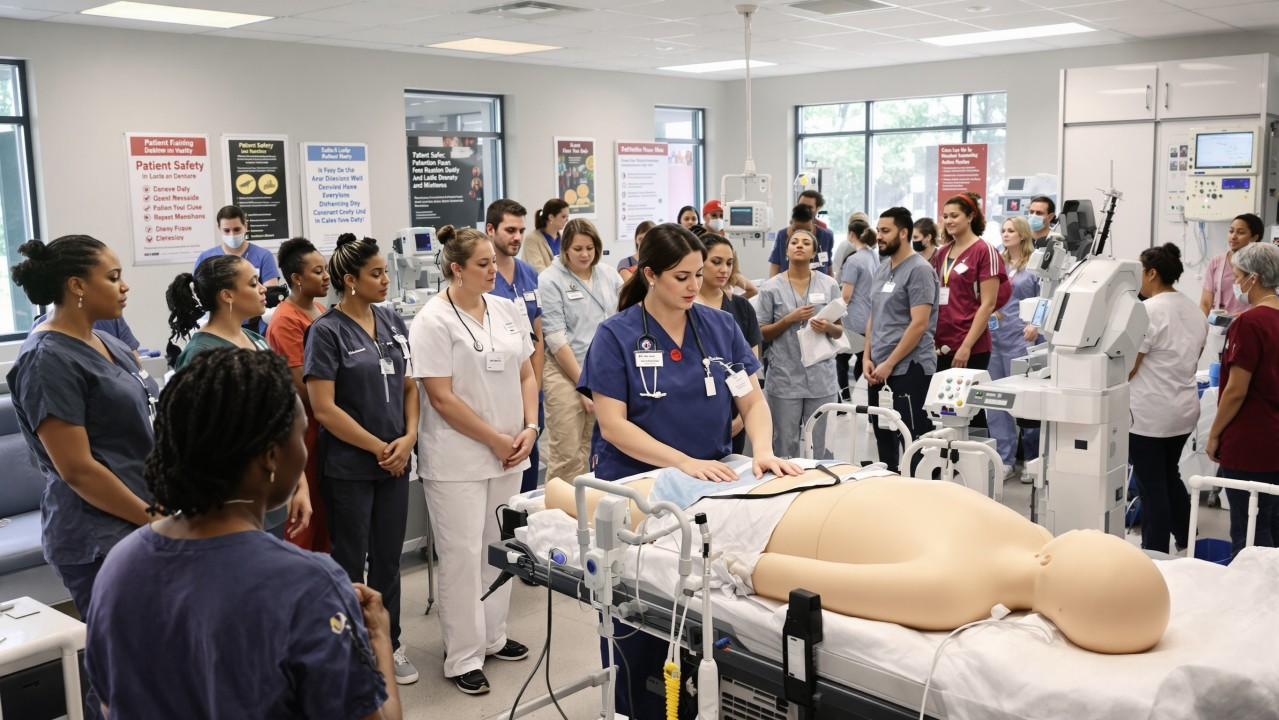
Nurse educator jobs focus on teaching and training nursing students, staff nurses, and other healthcare professionals. Nurse educators work in academic institutions, hospitals, universities, and clinical settings. Their responsibilities include developing curricula, delivering lectures, supervising clinical practice, and evaluating student performance.
Unlike traditional nursing roles, nurse educators influence patient care indirectly by preparing competent and confident nurses.
Roles and Responsibilities of a Nurse Educator

Nurse educator jobs involve a mix of teaching, leadership, and research activities. Common responsibilities include:
- Teaching nursing theory and clinical skills
- Designing lesson plans and educational materials
- Mentoring and guiding nursing students
- Conducting assessments and evaluations
- Staying updated with evidence-based nursing practices
- Participating in research and professional development
These roles require strong communication skills, clinical experience, and a passion for education.
Educational Requirements for Nurse Educator Jobs
To qualify for nurse educator jobs, specific educational and professional requirements must be met:
- Registered Nurse (RN) license
- Bachelor of Science in Nursing (BSN) – minimum requirement
- Master of Science in Nursing (MSN) with a focus on education (preferred)
- Doctoral degree (DNP or PhD) – required for university-level positions
- Teaching or clinical experience
Certification such as Certified Nurse Educator (CNE) can improve job prospects.
Where Do Nurse Educators Work?
Nurse educator jobs are available in a variety of settings, including:
- Nursing schools and colleges
- Universities and research institutions
- Hospitals and healthcare systems
- Continuing education programs
- Online nursing education platforms
This flexibility allows nurse educators to choose environments that suit their interests and lifestyle.
Salary and Job Outlook for Nurse Educator Job
The demand for nurse educator jobs continues to grow due to increasing enrollment in nursing programs. Salaries vary based on education, experience, and location.
On average, nurse educators earn competitive salaries with additional benefits such as job stability, flexible schedules, and career advancement opportunities. Advanced degrees often lead to higher pay and leadership roles.
Advantages of Nurse Educator Job
Nurse educator jobs offer many benefits, including:
- Less physical strain compared to bedside nursing
- Opportunity to shape future nursing professionals
- Professional growth through research and academia
- Work-life balance in many educational settings
- Long-term career stability
These advantages make nurse educator jobs highly appealing to experienced nurses.
How to Start a Career as a Nurse Educator
If you are interested in nurse educator jobs, consider these steps:
- Gain clinical nursing experience
- Pursue higher education in nursing education
- Develop teaching and leadership skills
- Obtain certification if possible
- Apply for educator roles in academic or clinical settings
Conclusion
Nurse educator jobs offer a meaningful and impactful career path for nurses who are passionate about teaching and mentorship. As healthcare continues to evolve, the need for skilled nurse educators will remain strong. By choosing this career, you contribute not only to education but also to the future quality of patient care.